Refusing to Kill is Not a Crime
Colombia
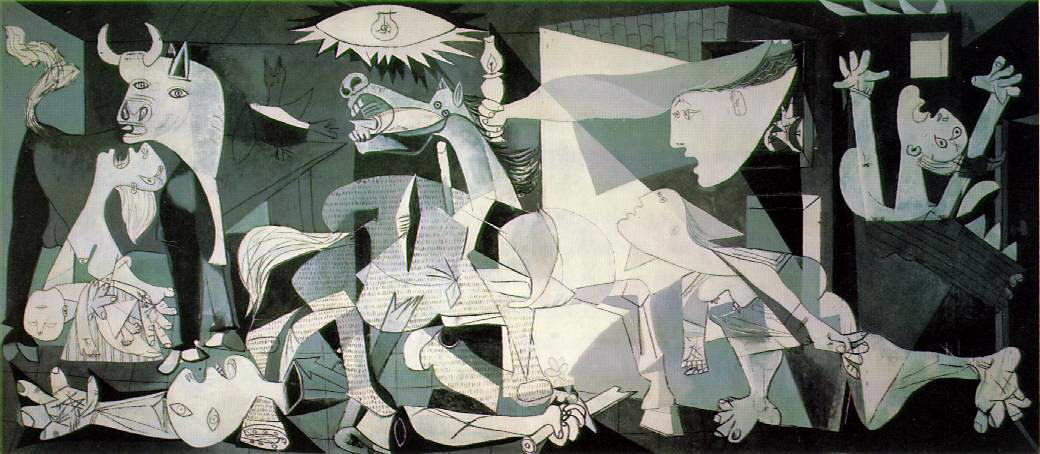
Guernica by Pablo Picasso, 1937
About Payday men's network │ About Refusing to Kill │ Contact us │ Links │ Search
FEATURES
Eritrea
Finland
Germany
Greece
Honduras
Iran
Kusha Bahrami
Ireland
Italy
Israel
Philippines
Spain
Switzerland
Turkey
Mehmet Tarhan
Halil Savda
Osman Ulke
UK
Afghanistan
USA
Afghanistan
Bradley Manning
World War 1
World War 2
Vietnam
Gulf War 1
Gulf War 2
Stephen Funk
Ehren
Watada
Agustin Aguayo
André
Shepherd
Jeremy Hinzman
Civil disobedience
Counter-recruitment
Death Row
Disability
Mothers & fathers
Other voices
Refusing rape
Refusing racism
Tax refuseniks
Colombian conscientious objector Diego Yesid Bosa Rico who has been illegally recruited on 23 February 2008, began a hunger strike in protest against his recruitment and treatment on 26 March 2008. He is also refusing to enter the dormitories. In response, the military offered him to do his military service in an office, without the need to take up arms. However, on the morning of 27 March 2008, they threatened him with five soldiers.
In addition the governmental initiative that contemplates the aspect of obligation [conscription] will have future implications on women who are heads of household, displaced, or single mothers who are mostly young given the high level of pregnancy that exists in Colombia.
Ademàs la iniciativa gubernamental que contempla el carácter de obligatoriedad tendrá futuras implicaciones sobre mujeres cabeza de familia, desplazadas o madres solteras que en su mayoría son jóvenes dada la alta tasas de embarazos que existe en Colombia. 25 April 2003
About Payday men's network │ About Refusing to Kill │ Contact us │ Links │ Search